Rustic Family-Owned Wineries In Sebastopol - Sonoma Valley Vineyards And Wine Tasting
Experiencing the world of wine is far more than just tasting a beverage; it invitations a sensory exploration that engages both the palate and the sense of smell. Studying about aromas and flavors in winery wine tasting may be one of the delightful and educational activities for any wine enthusiast. Wineries With Unique Wine Blends. Each glass of wine tells a narrative, influenced by the grape selection, the techniques used in its production, and the setting in which the wine is cultivated.
When attending a wine tasting at a winery, it’s essential to strategy the experience with an open thoughts and a willingness to engage all your senses. Your major focus may be the wine in your glass, but the context—the ambiance of the vineyard, the presentation of the wine, and the company—adds layers to the experience. Partaking with the aromas and flavors will enrich your understanding and appreciation of each variety.
Breathtaking Views From Sonoma Wineries - Sonoma's Hidden Winery Gems
Beginning with the aromas, they're often the primary interaction that unfolds when a wine is poured. By swirling the glass gently, you introduce air, permitting the wine's risky compounds to launch. The power of smelling wine lies in its capacity to evoke reminiscences and feelings, making it an integral part of the tasting process. It is curious how certain scents can transport us to completely different moments in time or recall sensory experiences from our past.
Frequent descriptors like fruity, floral, spicy, or earthy is often a good starting point (Vineyard Tours With Guided Tastings In Sonoma). A important think about recognizing these aromas lies in the individual’s capability to connect scents with experiences. For occasion, the aroma of a Sauvignon Blanc may remind considered one of freshly cut grass or ripe gooseberries. One Other individual could give attention to the citrus notes, perceiving hints of lemon or lime.
As Quickly As you have identified the aromas, the subsequent step is tasting. As with inhaling aromas, tasting wine involves extra than simply the physical act of sipping. When you style the wine, let it linger in your mouth, allowing the assorted flavors to disclose themselves progressively. The first hanging impression could be the extent of sweetness, acidity, or tannin. As you delve deeper, you will discover layers of complexity.
Flavor profiles in wine are influenced by a number of elements, together with temperature, aging process, and the kind of barrel used during maturation. For example, oaked wines can usually introduce flavors of vanilla, toast, and spice, whereas stainless-steel-aged wines may present a crisper and cleaner style.
Wineries Producing Pinot Noir And Chardonnay - Enjoying A Vineyard In Sonoma
As you expand your familiarity with completely different wine regions, learning in regards to the specific terroirs additionally plays a significant position in understanding the aromas and flavors. Terroir encompasses the environmental factors that influence a crop's phenotype, together with geography, geology, and climate. Grapes grown in cooler climates could produce wines with greater acidity and brighter fruit flavors, whereas those harvested in hotter areas often yield fruit-forward wines with a full-bodied mouthfeel.
Participating in winery wine tastings allows you to discover blends and single varietals, deepening your appreciation for the skill involved in producing distinctive wines. Understanding that winemakers often mix completely different grape varieties to realize a balanced flavor profile can add curiosity to your experience. The harmonious mixing of aromas and flavors is akin to a well-composed piece of music, creating a symphony for the senses.
Wine tasting just isn't merely a monologue but a dialogue. Partaking with sommeliers or educated guides can provide priceless insights that enhance your understanding of what you're tasting. They can share tales concerning the winery, production methods, and the nuances of various varietals that you may not have thought-about. This interactive dimension provides to the enjoyment and facilitates a more enriching experience.
Small Batch Wineries In Sonoma Valley - Sonoma Vineyard Tours
Whereas the technicality of wine tasting can seem overwhelming, it usually helps to maintain an open demeanor when assessing aromas and flavors. Every person’s palate and sense of scent are distinctive. Thus, there is no ‘right’ or ‘wrong’ answer when identifying scents and tastes. Being comfy with your personal interpretations fosters a fun and relaxed ambiance conducive to learning.
Taking Part in tastings throughout varied wineries can create a broader understanding of different styles and preferences. Similar grapes from different regions can portray contrasting flavors because of variations in soil, local weather, and winemaking techniques. Touring to vineyards, assembly native producers, and sampling their wines can present an intimate glimpse into the artistry concerned in the winemaking process.

The pairing of wine with food is one other thrilling dimension to explore. Understanding how the flavors in food can interact with the wine to both complement or distinction with each other is a skill value growing. A good rule of thumb is to think about the weight and depth of the dish. For occasion, a daring Cabernet Sauvignon is often a basic alternative for wealthy, meaty dishes, whereas a light Pinot Grigio might pair splendidly with contemporary salads or seafood.
Conversations around wine are enriched by learning about current events within the wine trade. Sustainable practices, organic farming, and advances in winemaking can shape the flavors and aromas of future vintages. Engaging with these subjects throughout tastings opens discussions about evolution and innovation within the subject.
Wine Tasting Tours In Russian River Valley - Celebrated Wineries Around Sebastopol
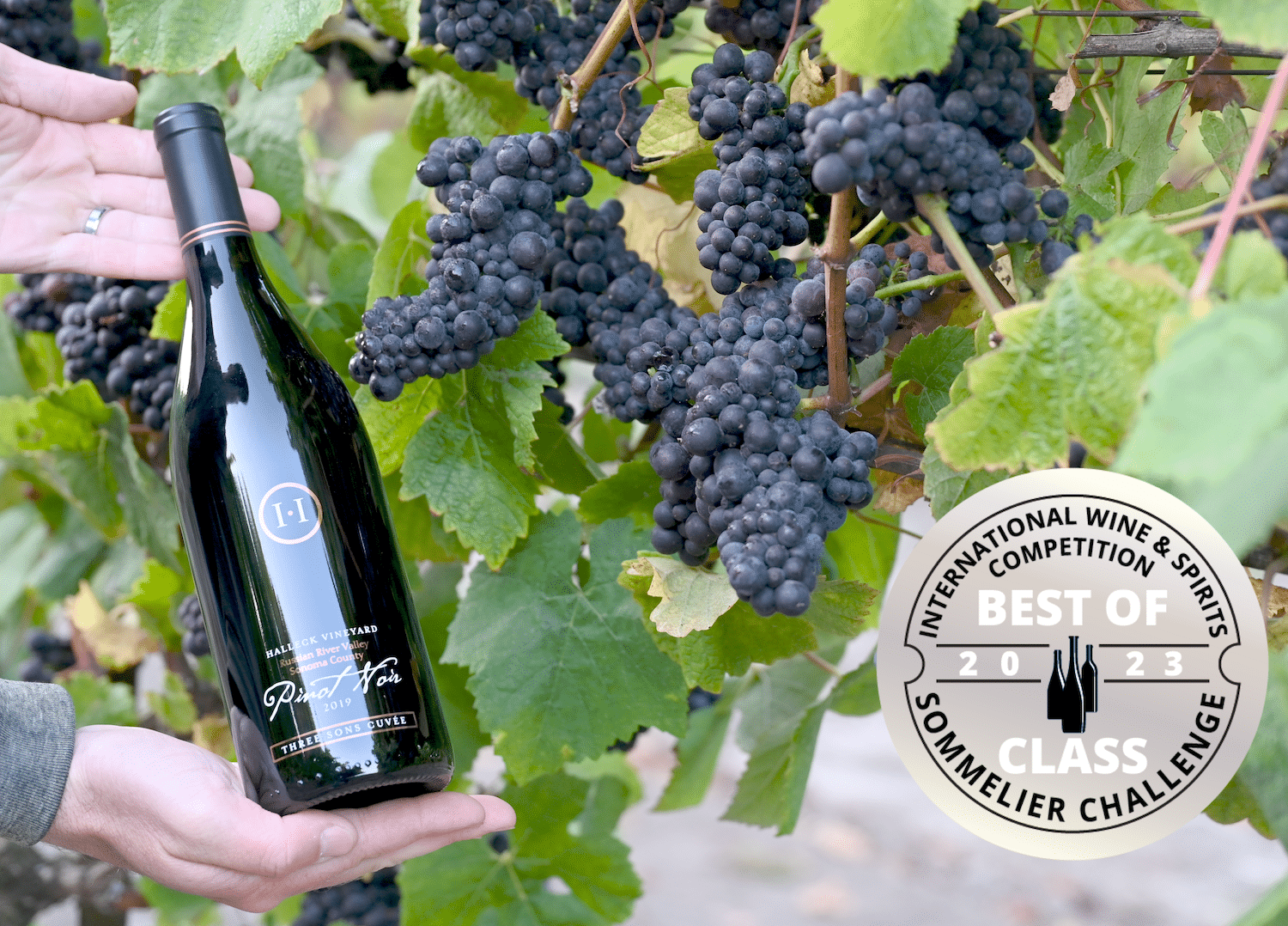
In conclusion, the journey of learning about aromas and flavors in winery wine tasting is a multilayered experience. By employing all of the senses, being open to new interpretations, and taking part in discussions, each individual can improve their connection to wine. The nuances of style, intertwined with personal experiences and environmental influences, create a posh yet stunning world that awaits exploration. As you proceed to savor each glass, keep in mind that the aromas and flavors inform a story that is ever-evolving, very related to the winery from which they originate.
- Exploring the relationship between the grape variety and the distinct aromas and flavors it produces within the last wine can enhance the tasting experience.
- Noting the affect of terroir, together with soil composition and local weather, helps to understand how these components contribute to the distinctive profile of each wine.
- Participating the senses by figuring out scents such as fruit, floral, or herbal notes adds depth to tasting notes and assists in growing a more refined palate.
- The fermentation and getting older processes can drastically alter the fragrant and flavor characteristics, offering insight into the winemaking techniques employed.
- Pairing wines with specific foods throughout tasting can illuminate how flavors work together, enhancing each the wine and the dish through complementary or contrasting profiles.
- Taking Part in guided tastings led by knowledgeable sommeliers can deepen understanding of wine complexity and promote appreciation of refined nuances.
- Training aroma recognition with scent kits allows tasters to coach their noses, improving the flexibility to discern and articulate numerous perfume notes found in wines.
- Documenting personal tasting notes may help to track preferences over time and facilitate conversations with trade professionals about individual wine journeys.
- Understanding how decanting and aeration can impression the aromatic profile and flavor launch of a wine can elevate the tasting experience to new heights.
- Learning in regards to the impact of vintage variations on wine character permits enthusiasts to appreciate how climate conditions affect aroma and style his response yr after 12 months.
What are the primary aromas and flavors I ought to expect in winery wine tastings?

In winery wine tastings, you can typically count on to determine various major aromas corresponding to fruits (citrus, berries, stone fruits), floral notes, and typically earthy or herbal scents. Flavors usually reflect these aromas and might vary from sweet to tart, with extra complexity from oak growing older or fermentation characteristics.
Wineries Near Highway 12 - Explore Sebastopol Area Vineyards
How can I improve my capability to determine totally different aromas in wine?
To enhance your capability to identify aromas in wine, practice smelling various foods and spices to create a mental library of scents. Contemplate investing time in aroma kits designed for wine tasting, as they may help you be taught and acknowledge particular notes typically found in different wines.
What techniques can I use for a more gratifying wine tasting experience?
Begin by observing the wine’s colour and clarity, then gently swirl it to launch aromas before taking a deep sniff. Take small sips to identify flavors and contemplate assessing the wine's finish or aftertaste. Sharing your ideas with others on the tasting can also improve your experience.
Rustic Family-Owned Wineries In Sebastopol - Wine Tours And Tastings In Sebastopol
Is it necessary to have prior knowledge of wine to enjoy a winery tasting?
No prior knowledge is necessary to enjoy a winery tasting. Many wineries offer guided tastings that provide background information on the wines being sampled. Really Feel free to ask questions and specific your opinions—this engagement will improve your studying experience.
Why do some wines have extra complicated aromas and flavors than others?
(Spectacular Vineyard Views In Sonoma)
Wineries In Dry Creek Valley - Vines And Views In Sonoma Wine Country
Wines with more advanced aromas and flavors often take pleasure in components such as grape selection, winery location, climate, and winemaking techniques. Additionally, the getting older process can introduce new layers of complexity, allowing wines to develop distinctive traits over time.
What should I do if I struggle to determine particular aromas in wine?
Wineries Ideal For Large Groups - Sonoma County's Best Wine Experiences
If you battle to determine specific aromas, don’t be discouraged. Take your time and focus on broader categories of scents earlier than narrowing down your observations. Training regularly, asking for suggestions, and using aroma wheels or reference supplies can also assist improve your skills.
How does food pairing affect the aromas and flavors of wine during tastings?
Beautiful Picnic Areas At Sonoma Wineries - Wineries With Stunning Views In Sonoma
Food can significantly affect the way you understand aromas and flavors in wine. Certain foods can look what i found enhance or mute particular style traits, leading to different experiences. Experimenting with various food pairings throughout a tasting can deepen your understanding of a wine’s profile.
Are there any etiquette tips I ought to comply with when collaborating in a winery tasting?
Wineries With Unique Wine Blends - Best Winery Located In Sonoma
Yes! Etiquette during a winery tasting consists of being respectful to guides and employees, taking small sips, and not overpowering the conversation with personal opinions. It’s also courteous to finish your samples rather than pouring excess out, and don't forget to thank the staff for their insights.
What is the difference between a wine's aroma and its bouquet?
Wine aroma typically refers to the scents derived instantly from the grape varietals used, whereas bouquet refers again to the advanced aromas developed in the course of the growing older course of, notably in barrel. Understanding this distinction can enhance your appreciation for different aspects of wine tasting.